Jacob Bauer: president of Evansville Musical Association
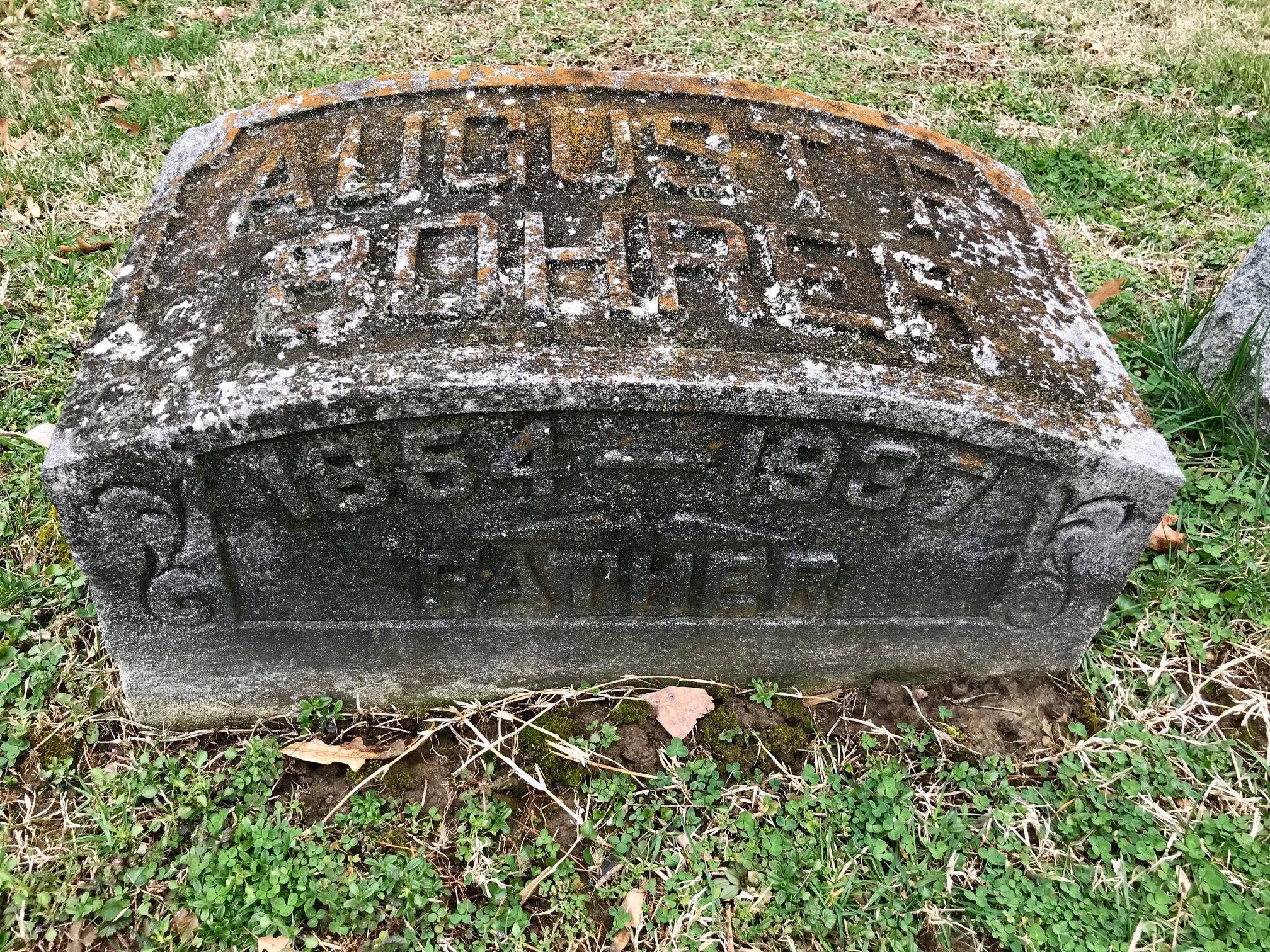
August Bohrer (1854-1937): leader of the F.W. Cook Military Band
Ernst Buddemeyer: leader of the Maennerchor Society
Hugo Forster (1876-1944): leader of Forster’s orchestra

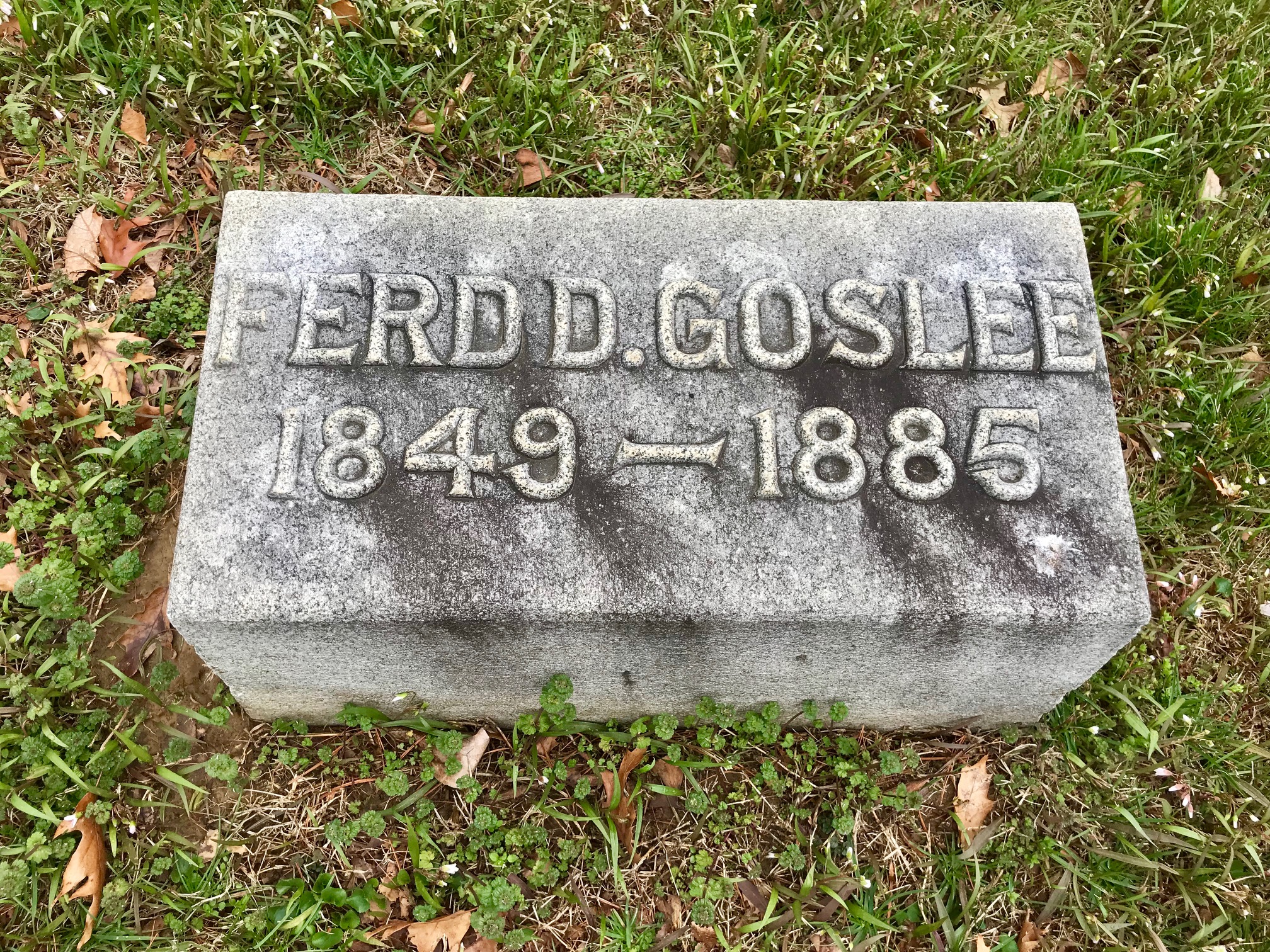
Ferd D. Goslee (1849-1885): composer and tenor (also see Sheet Music page)
Robert Green: leader of the Vanderburgh Cornet band and Green’s Orchestra
W.C. Handy (1873-1958): The legendary blues musician lived in the Evansville/Henderson area for a few years in the 1890s.
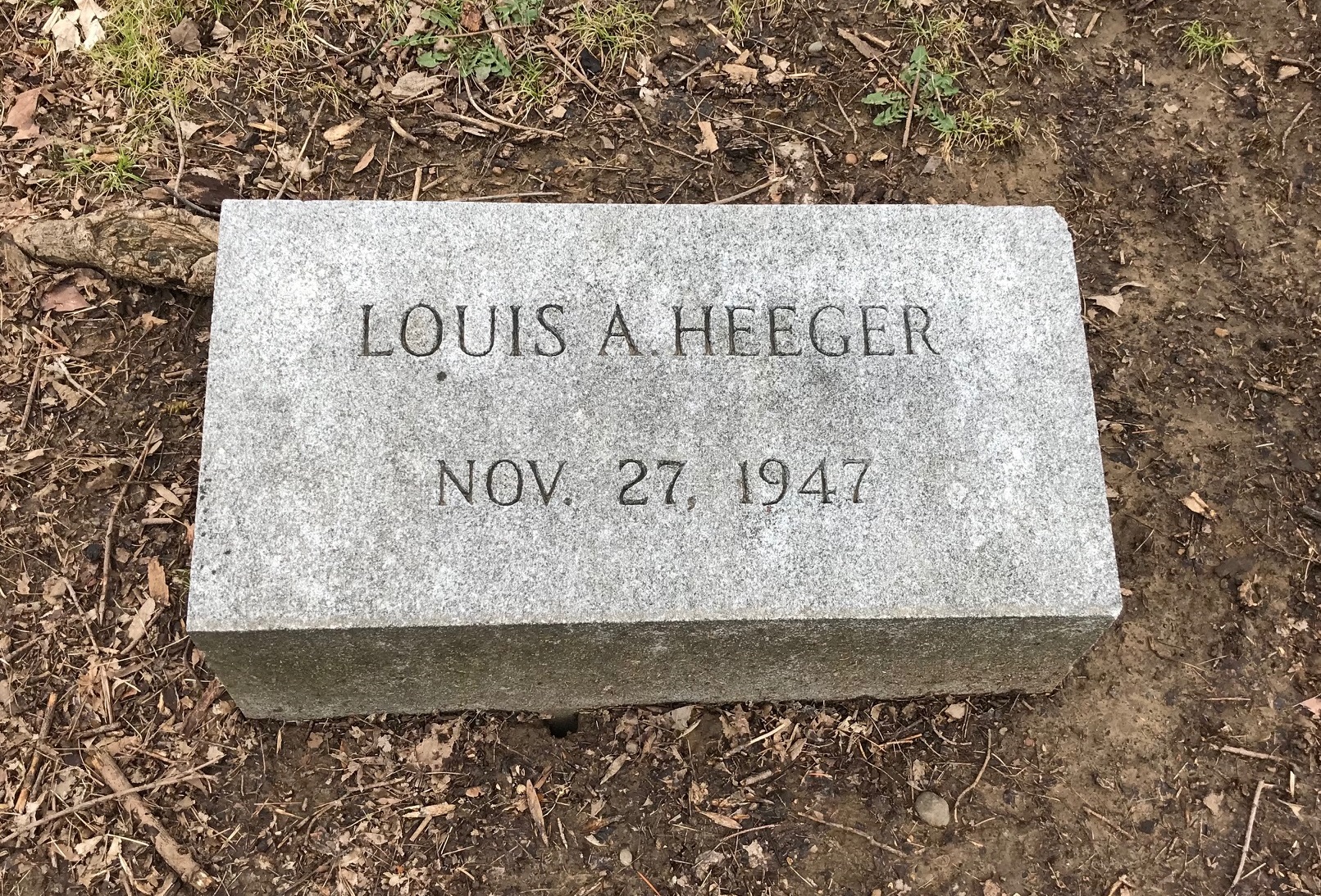
Louis Heeger (d. 1947): leader of the Strouse High Art Band and Warren’s band
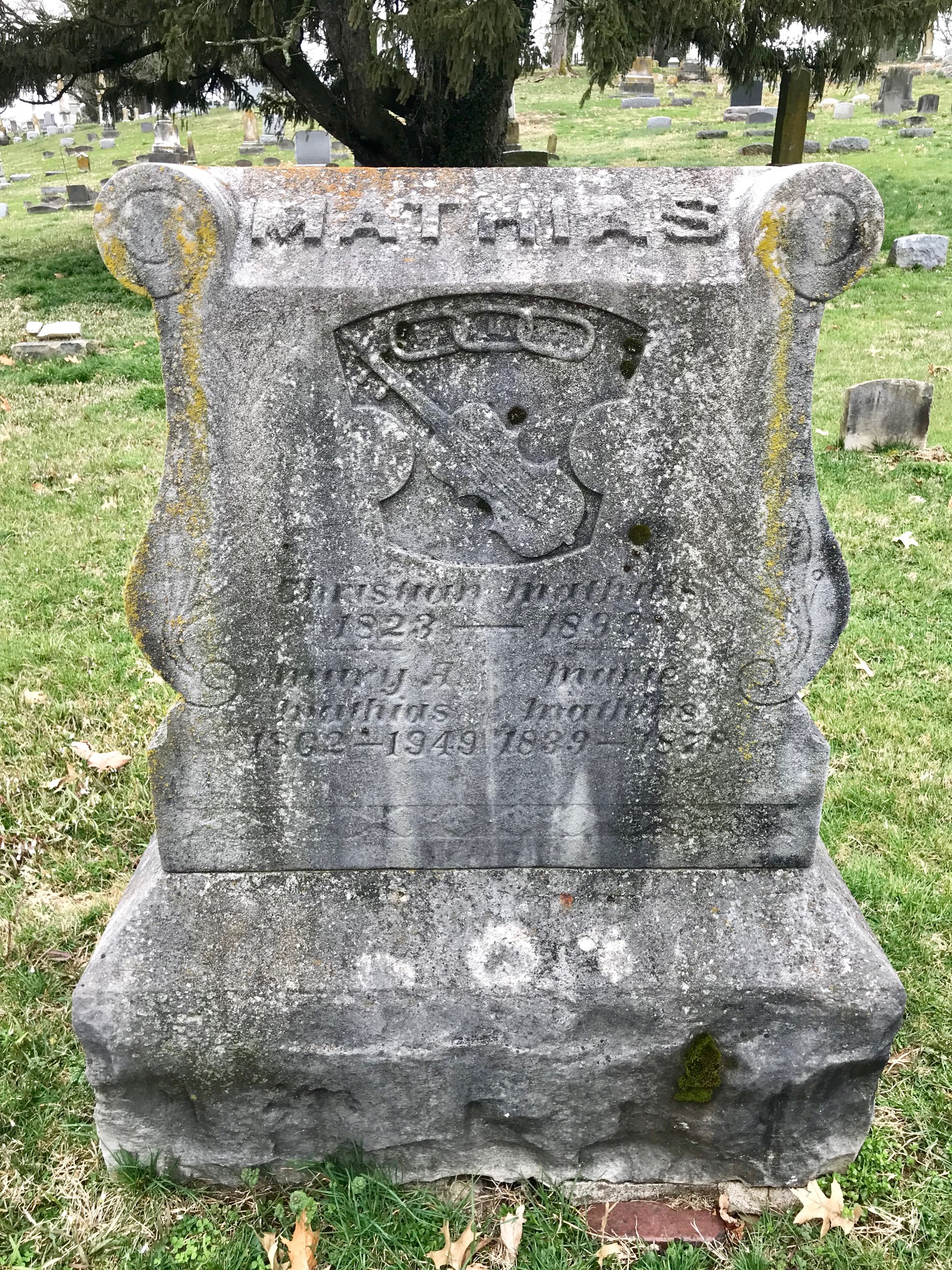
Christian Mathias (1823-1899):
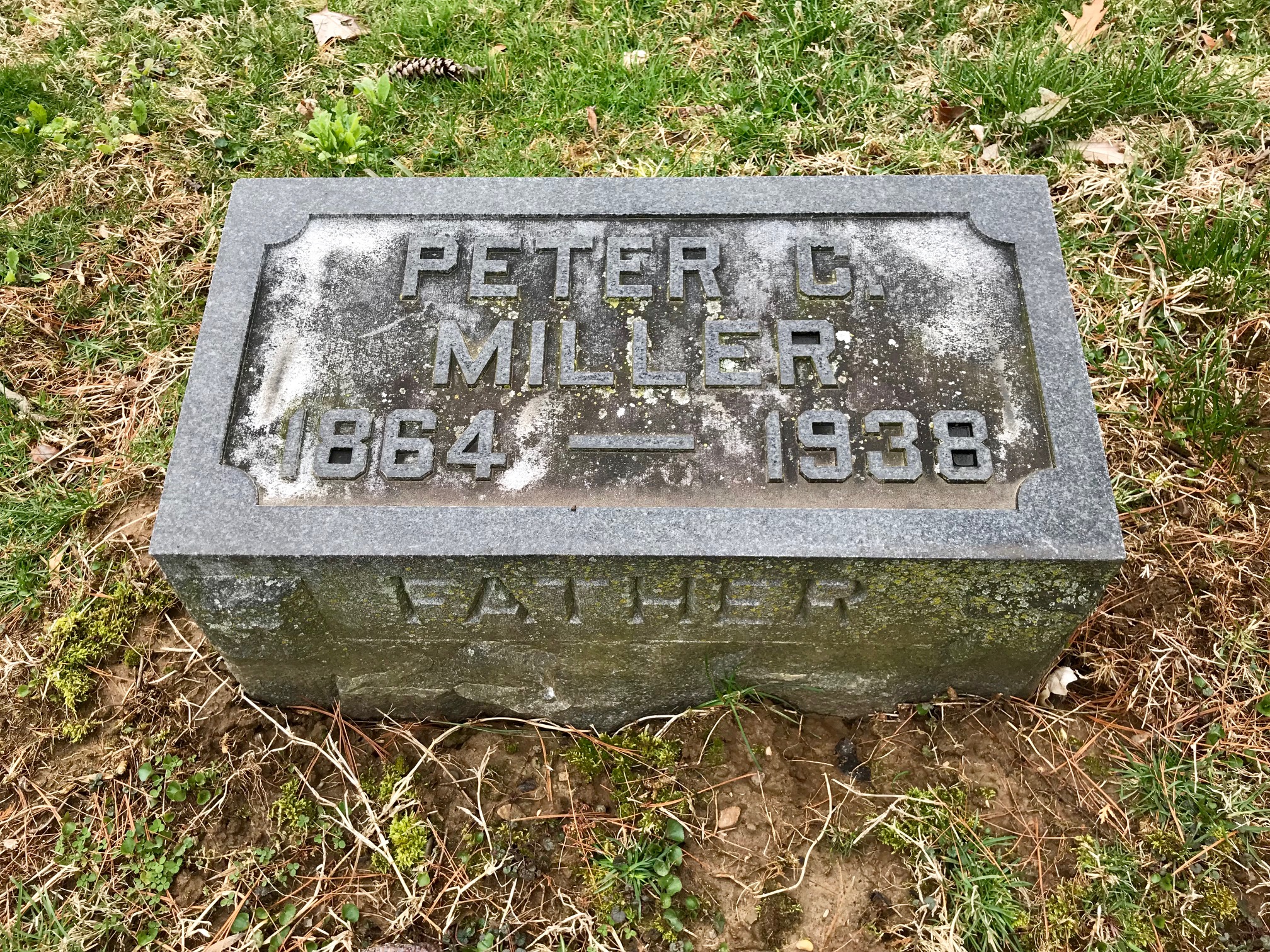
Peter C. Miller (1864-1938): leader of Miller’s orchestra
Albert F. Schmidt: leader of Schmidt’s Orchestra
Val. Schreiber: leader of Schreiber’s Orchestra
Charles F. Schmidt (1854-1886): Started several bands, ran a company selling instruments and sheet music, published sheet music including works by Ferd Goslee (see “Sheet Music” page)
Milton Z. Tinker: See “The Making of the Evansville Philharmonic” in “Ensembles” page.
Professor J. Cintura
Madeline Cox
Professor J. Cintura, a well known instrumental and vocal teacher, came to Evansville in 1899 seeking involvement with the first German singing society known as the “Liederkranz”. Before he arrived, the group had dwindled to thirteen men and thirteen women. When he took over as the leader, numbers and level of enthusiasm for music grew rapidly. Professor Cintura had a passion for local music, which is vital to the history of Evansville. Cintura’s reputation was even more established when he arrived in Evansville. While directing the Liederkranz, he was known for being very strict about showing up on time and being ready to go when you arrive. This became an issue with people who liked to do things at leisure. Some people left this group because of the rigidity, but those that agreed with Cintura’s methods decided to stay. When this started happening, the groups were in danger of going bankrupt. The Liederkranz disbanded, and a new group called the Philharmonia was born.
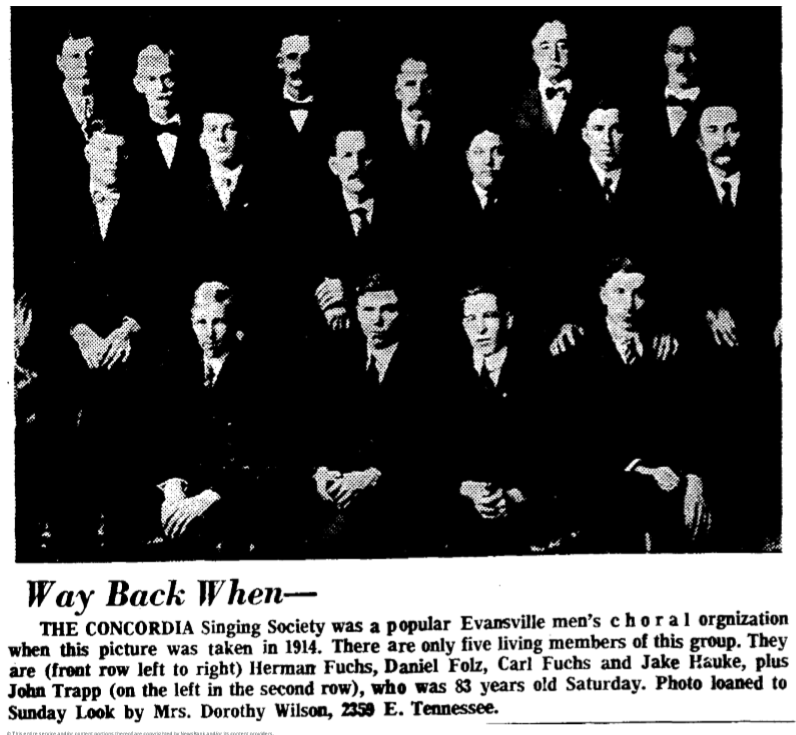
Professor J. Cintura went on to direct many more groups, including the Concordia Singing Society. The Concordia Singing Society is a very interesting music society in Evansville’s history. It was founded by Professor Cintura. This society has had a rich history of involvement. There have been a few different directors of the program in years past, including Professor August Schmidt of Baltimore in 1898. Evansville natives were very interested in the concept of singing societies. At the turn of the century, there were fourteen music societies involved in the Evansville Musician’s Association, including the Concordia Singing Society. The Musician’s Association was an active part of the American Federation of Musicians. Thus, the Concordia Singing Society was part of a larger and prestigious group of musicians in the United States.
Sources:
Elliott, Joseph Peter. A History of Evansville and Vanderburgh County, Indiana. A Complete and Concise Account from the Earliest Times to the Present. Keller Printing Company, 1897.
Evansville Courier and Press, Final ed., 16 Oct. 1966, p. 58. NewsBank, infoweb.newsbank.com/apps/news/document-view?p=WORLDNEWS&docref=image/v2:1425EEA2CB57B634@EANX-NB-1539A398E77E7892@2439415-15397D7376C1DC0B@57-15397D7376C1DC0B@. Accessed 5 Mar. 2019.
Evansville Courier and Press, 22 May 1899, p. 3. NewsBank, infoweb.newsbank.com/apps/news/document-view?p=WORLDNEWS&docref=image/v2:1425EEA2CB57B634@EANX-NB-145286909C8D7E44@2414797-145279B8A22B0AA7@2-145279B8A22B0AA7@. Accessed 5 Mar. 2019.
Evansville Courier and Press, 25 Oct. 1925, p. 33. NewsBank, infoweb.newsbank.com/apps/news/document-view?p=WORLDNEWS&docref=image/v2:1425EEA2CB57B634@EANX-NB-145B140D8136EF9B@2424449-145B105EDCA44892@32-145B105EDCA44892@. Accessed 5 Mar. 2019.
Professor George Warren
Devyn Haas
George Warren was a big name in Evansville, not only was he a professor he also started multiple groups such as the Warren’s Crescent City Band or other known as Warren’s Crescent City Silver Band. Warren’s Band was possibly a military marching band at times and other times could be a wind ensemble. Reasons why we are unsure is how they were considered a sheepskin band. A sheepskin band could mean a variety of things such as they only wore sheepskin uniforms, they used instruments out of sheepskins (drumheads), or a military band. The Warren Band performed in many locations, one of the most fascinating was on September 19th, 1881 the Warren Crescent City Band performed at Evans Hall for President James Garfield’s death. Not only was there Warren’s band but other types of bands, there were other Silver Cornet Bands, choirs, and even an orchestra. This program shows that Evansville was and is still a big city on music (Evansville Courier and Press).
The Crescent City Band was founded by George Warren. “Prof. George Warren, one of the greatest musicians this section of the country ever knew, lived at that time, in New Harmony, but he thought a great deal of the Evansville boys and frequently came over to play with them.” (Gilbert History of the City of Evansville and Vanderburgh County, Indiana 93). In a previous paper I discussed how George Warren was a professor and founded many societies such as the Crescent City Band along with Evansville’s 15th Regiment Band. There is a photo that shows Warren’s band was a marching band. With their style it does represent how marching bands look today with their uniforms along with their drum major. Their uniforms were also to show that it was like a military band because most of the performers were part of the military and George Warren wanted to pay the respects of the soldiers that were in the military.
In History of the City of Evansville and Vanderburgh County, Indiana Gilbert mentions how George Warren was an incredible musician, how there was not an instrument that he could play (Gilbert 93). As a music educator you have to be able to play and demonstrate on all different instruments not just your primary instrument. Warren knew that if he wanted a successful band he would have to model and demonstrate for his band in order to have the success he wanted for his band. Another thing that stood out to me as a music educator is that Warren did not have much free time and what ever free time he had he used it to benefit the community or his bands. Elliot and Gilbert both stated how George Warren had multiple band and how he was constantly running back and forth to get to rehearsals with each band along with himself teaching at the university. A unique thing that George Warren did was compose some of the band’s music (I’m still trying to get ahold of some of his work) which was uncommon for band leaders to compose music but only be much like a band director. The music was handwritten, Warren used pen while writing his music. It was said he used pen because it showed better than pencil. (Gilbert 94).
Warren devoted his time to music, with all the rehearsals he had, his bands were spectacular. George Warren first started with a band called 15th Regiment Band and only consisted of 24 members (Elliot 185), and we learned that they changed the name after competing with band. The Crescent City Band or other known name as Crescent City Silver Band would compete with other local bands: “They (15th Regiment Band) went out for some reason in 1862 and then the famous Warren’s Crescent City band was incorporated. This band made a wonderful reputation and won numerous prizes whenever it came into competition with other bands.” (Gilbert, 93). With the competitions it was how the band sounded and who could play better, better not louder.
The Warren Band performed in many locations, one of the most fascinating was on September 19th, 1881 the Warren Crescent City Band performed at Evans Hall for President James Garfield’s death. Warren’s Crescent City Band also would march around the town playing music. A specific march was on June 25, 1875 George Warren and his Crescent City Band marched through the town starting on First Ave and Main Street they lead a parade that was followed behind Henderson’s Fire Department, the newspaper article stated, “The Crescent City making their air resonate with sweet sound” (Evansville Courier and Press, 25 June 1875).

Sources:
“Image 1 of James Abram Garfield, Twentieth President of the United States, Died September 19th, A. D. 1881. Memorial Services at Evans Hall, Evansville, Indiana, Monday Afternoon September Twenty-Sixth, A. D. 1881. Evansville, Ind. Courier Company, Printer.” Planning D-Day (April 2003) – Library of Congress Information Bulletin, Victor, http://www.loc.gov/resource/rbpe.0190120a/?q=james Garfield&sp=1.
Evansville Courier and Press, 25 Nov. 1875, p. 4. NewsBank, infoweb.newsbank.com/apps/news/document-view?p=WORLDNEWS&docref=image/v2:1425EEA2CB57B634@EANX-NB-144D4EC5D92D45AF@2406218-144BE9925ABFE3CE@3-144BE9925ABFE3CE@.
Gilbert, Frank M. History of the City of Evansville and Vanderburg County, Indiana. Higginson Book Co., 2011.
Evansville Courier and Press, 25 June 1875, p. 4. NewsBank, infoweb.newsbank.com/apps/news/document-view?p=WORLDNEWS&docref=image/v2:1425EEA2CB57B634@EANX-NB-144D4E52CA60B1E4@2406065-144BE98E651B3FDC@3-144BE98E651B3FDC@.
Evansville Courier and Press, 29 June 1875, p. 1. NewsBank, infoweb.newsbank.com/apps/news/document-view?p=WORLDNEWS&docref=image/v2:1425EEA2CB57B634@EANX-NB-144D4E55C29532D3@2406069-144BE98E6DB0E915@0-144BE98E6DB0E915@.
Evansville Courier and Press, 30 June 1875, p. 1. NewsBank, infoweb.newsbank.com/apps/news/document-view?p=WORLDNEWS&docref=image/v2:1425EEA2CB57B634@EANX-NB-144D4E56B7782011@2406070-144BE98E71886FFB@0-144BE98E71886FFB@.
Evansville Courier and Press, 1 July 1875, p. 1. NewsBank, infoweb.newsbank.com/apps/news/document-view?p=WORLDNEWS&docref=image/v2:1425EEA2CB57B634@EANX-NB-144D4E57DBD90BC6@2406071-144BE98E755C1E43@0-144BE98E755C1E43@.
Elliott, Joseph P. A History of Evansville and Vanderburgh County, Indiana: a Complete and Concise Account from the Earliest Times to the Present, Embracing Reminiscences of the Pioneers and Biographical Sketches of the Men Who Have Been Leaders in Commercial and Other Enterprises. Keller Print. Co., 1897.
Gilbert, Frank M. History of the City of Evansville and Vanderburg County, Indiana. Higginson Book Co., 2011.
Evansville Courier and Press, 25 Nov. 1875, p. 4. NewsBank, infoweb.newsbank.com/apps/news/document-view?p=WORLDNEWS&docref=image/v2:1425EEA2CB57B634@EANX-NB-144D4EC5D92D45AF@2406218-144BE9925ABFE3CE@3-144BE9925ABFE3CE@.
 Music in Evansville, Indiana: Civil War to WWII